What We Study
Multi-scale light-matter theory
From nanoparticle optics and thin-film thermal emission to ab initio cavity quantum electrodynamics, our work connects fundamental modeling with experimentally relevant materials and devices.
University of North Carolina at Charlotte
The Foley Lab develops theory, computation, and research software for cavity QED, nanophotonics, thermal radiation, and molecular materials design.
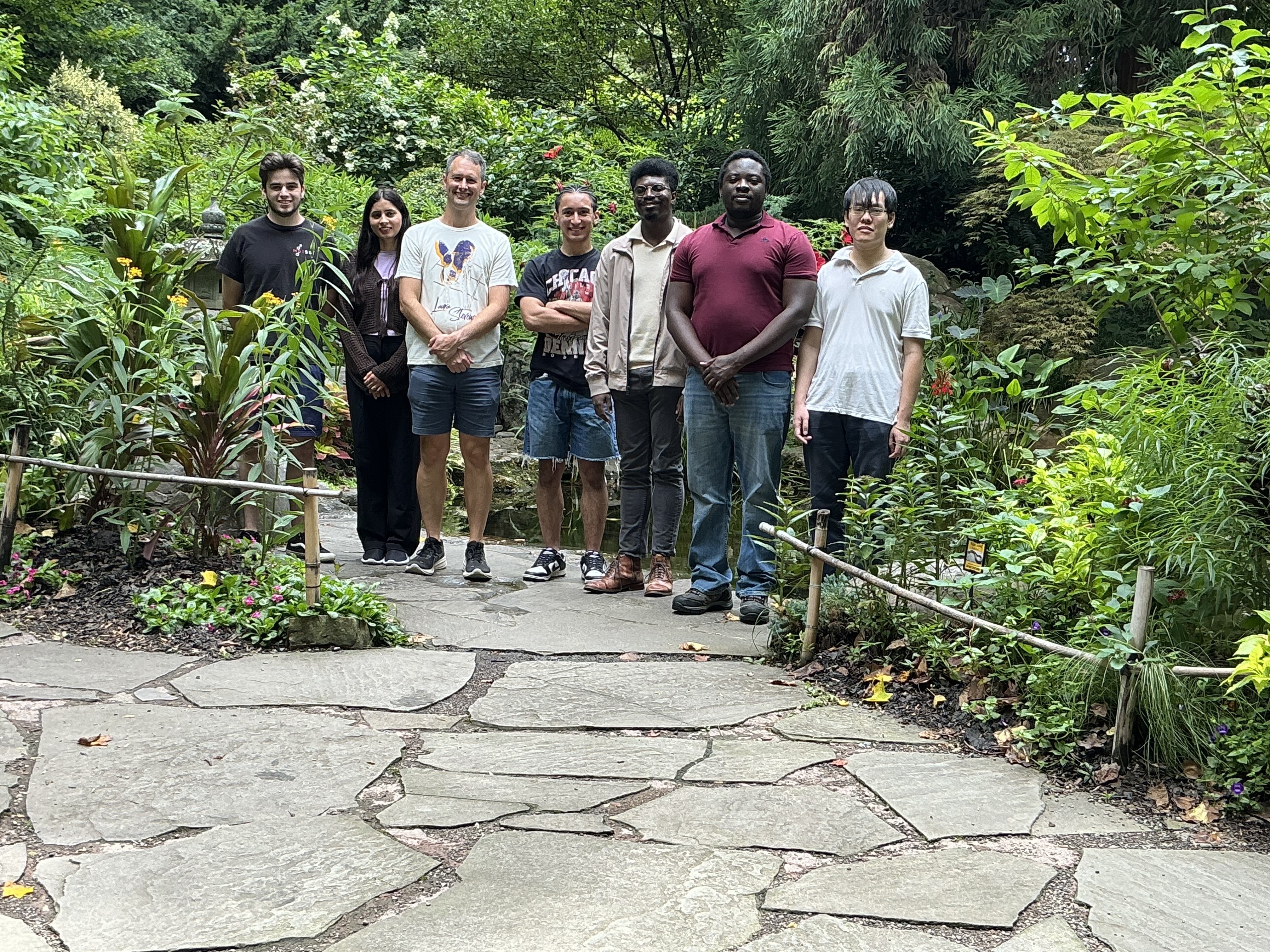
What We Study
From nanoparticle optics and thin-film thermal emission to ab initio cavity quantum electrodynamics, our work connects fundamental modeling with experimentally relevant materials and devices.
What’s New
The site now supports collection-based entries for people, publications, and news, so most updates happen in short Markdown files instead of long hand-edited pages.
What’s Next
Explore lab-developed and community software for nanophotonics, cavity QED, quantum chemistry, and computation-centered science education.
Research Areas
Exploiting the strong coupling between molecules and quantized radiation modes through the development and application of theoretical tools to understand molecular cavity phenomenology.
Developing and deploying computational methods to design nanomaterials for energy applications, including thermal emitters, optical stacks, and solar thermophotovoltaics.
Exploring the interface between computation, generative artificial intelligence, and teaching and learning to advance modern pedagogical practices.
Latest News
We refreshed the homepage to better highlight current research directions, recent publications, and the people in the group, while making future co...

Recent work from collaborators and group members advances computational methods for polaritonic chemistry and demonstrates the value of scalable ma...
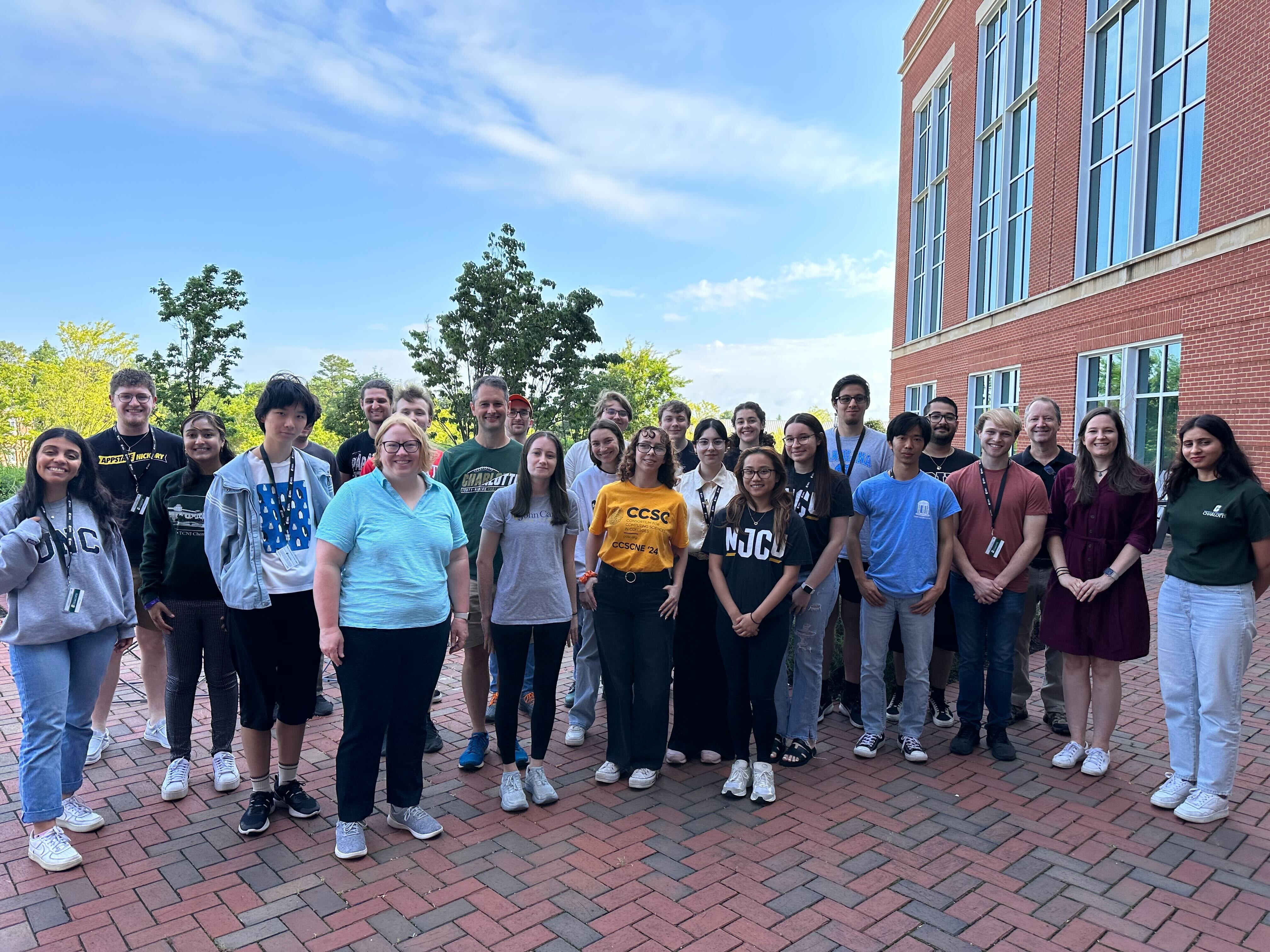
Workshop participation highlighted the group’s ongoing interest in research software, reproducible workflows, and community-facing computational to...
Recent Publications
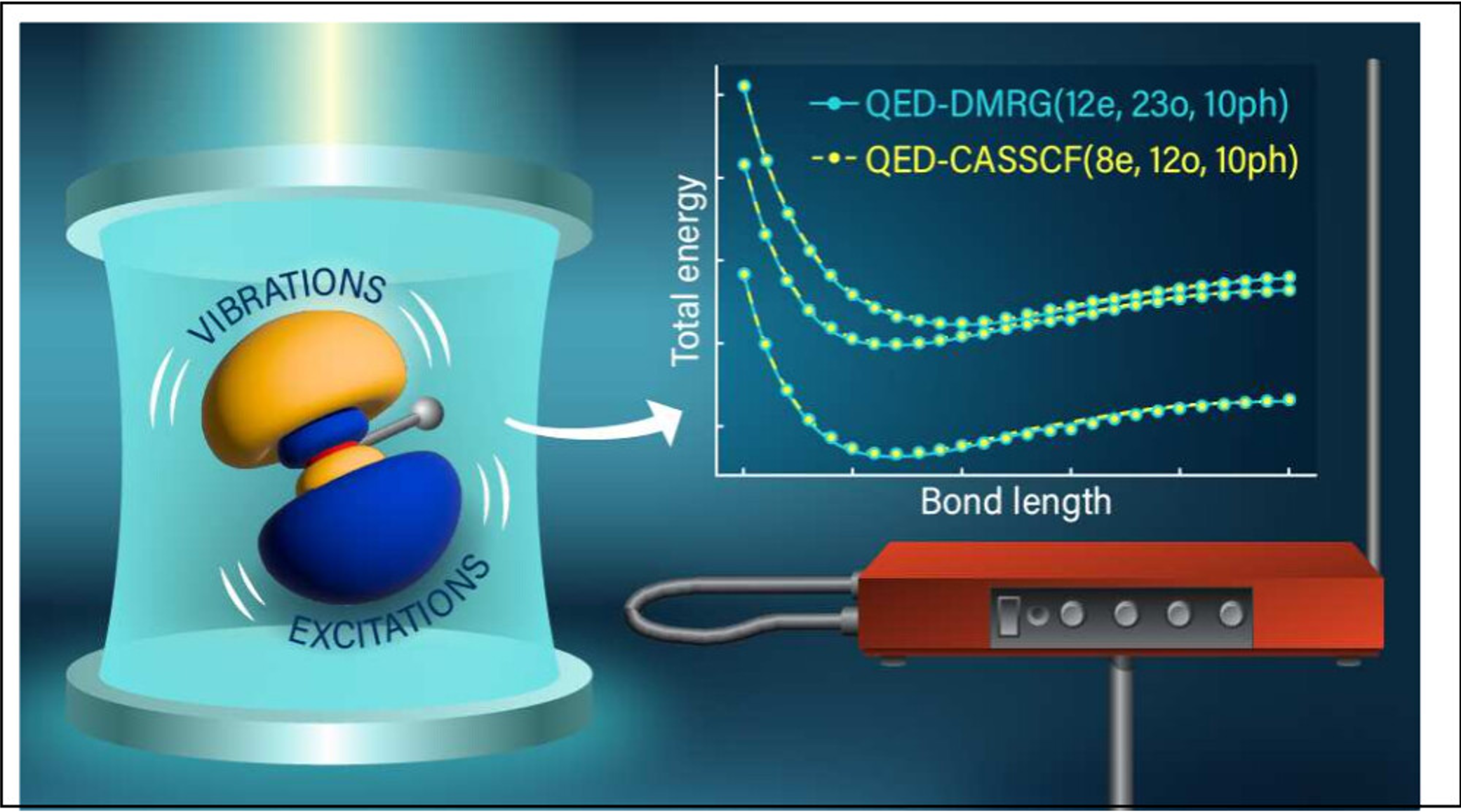
Kenny Ampoh, Nam Vu, Jonathan J. Foley IV
Mikulas Matousek, Nam Vu, Niranjan Govind, Jonathan J. Foley IV, Libor Veis
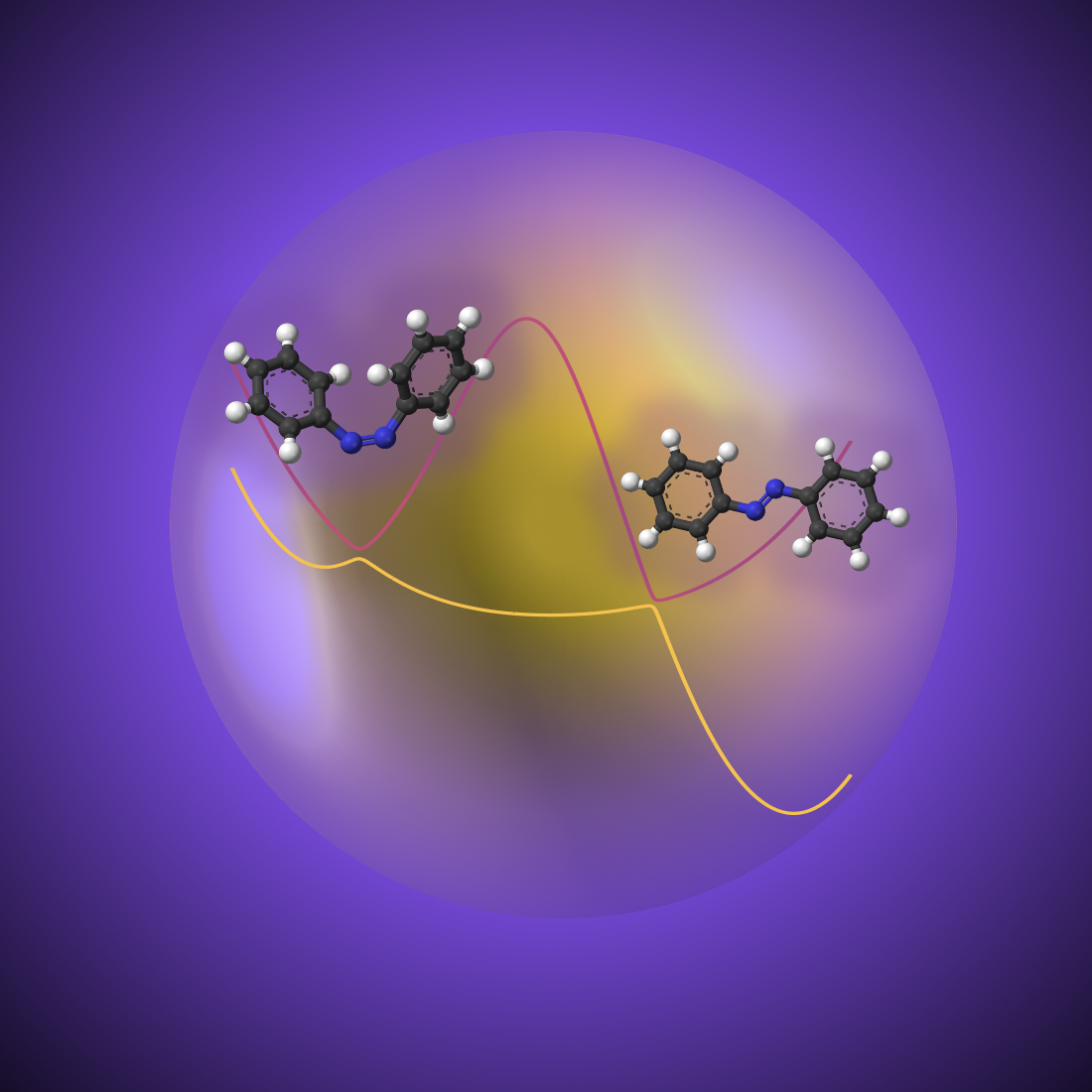
Foley Lab collaborators
People

Generating Bell states between molecular qubits using cavity coupling.

Theoretical and computational chemistry of light-matter interactions.

Light-matter interactions in correlated systems and intermolecular interactions in optical cavities.

Ab initio methods for polariton chemistry.
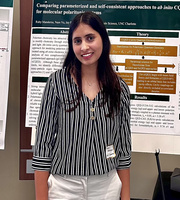
Ab initio methods for polariton chemistry.